Bar With Private Room Setup Ideas for Live Music Events
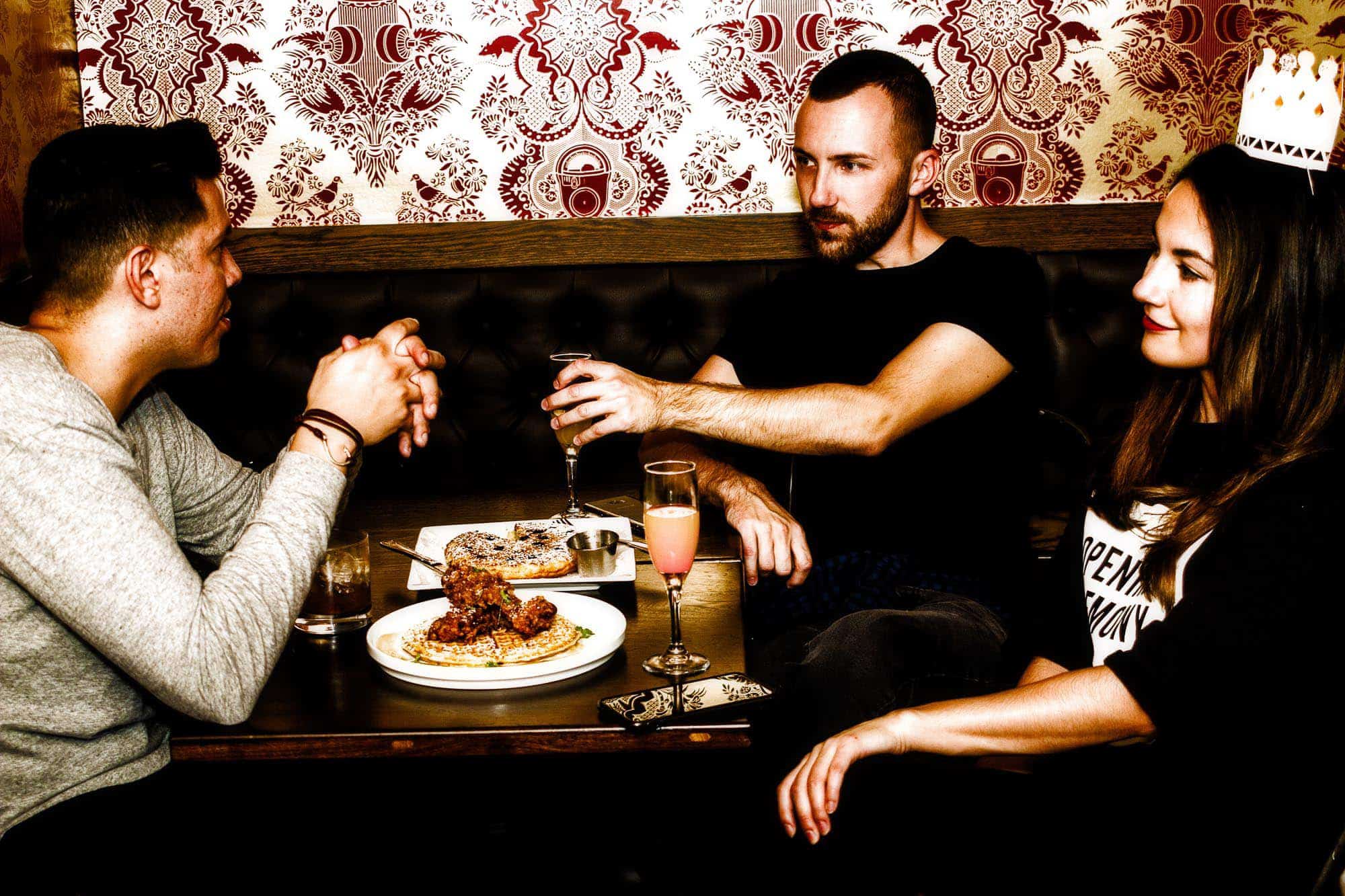
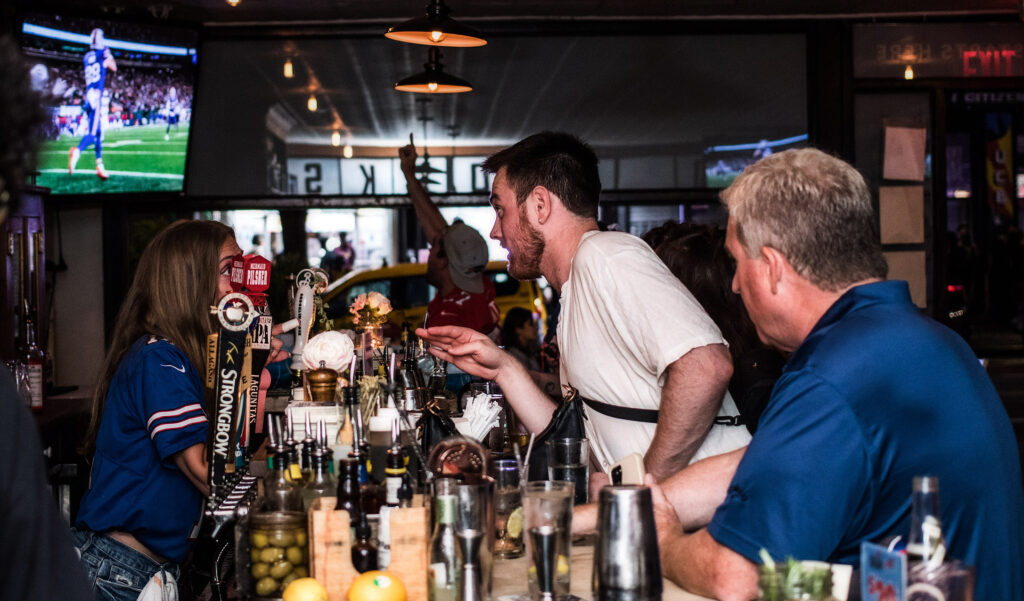
A live music night can transform an ordinary venue into a place people talk about for months. It can also expose every weakness in the room, the floor plan, the staff workflow, and the sound system within the first ten minutes of the first set. That is especially true when the venue is a Bar With Private Room. Private rooms offer flexibility, intimacy, and strong revenue potential, but they also create constraints that do not show up in https://milosrfj921.publishlane.com/posts/how-a-bar-with-private-room-adds-privacy-and-style-to-your-party open-floor bars. Sightlines tighten. Sound behaves unpredictably. Service paths get crowded. One loud compressor from a guitar amp can turn a polished event into a muddy, frustrating experience.
The upside is that a private room can become one of the best live music environments in the building if it is set up with intention. I have seen compact rooms outperform larger stages simply because the operator understood how to shape the guest experience. Good setup is not just about where the band stands. It is about how people enter, how they order, where they linger, how long they stay, and whether they feel like they are part of something worth repeating.
Start with the room’s real purpose, not the fantasy version
Many bar owners picture the ideal event first: a packed room, energetic crowd, perfect acoustics, profitable tabs, and a band that fits the brand. The actual planning needs to begin somewhere less glamorous. Measure the room. Count the doors. Note every fixed element, including columns, low ceilings, HVAC vents, emergency exits, electrical outlets, built-in banquettes, and any service station that cannot move.
A private room for live music usually needs to perform at least three jobs at once. It has to host a performance, support food and beverage sales, and let guests move without feeling trapped. If one of those fails, the whole night suffers. I have seen beautiful stage setups kill bar revenue because they blocked the easiest route to the ordering station. I have also seen efficient service plans ruin the show because staff had to squeeze past the front row every three minutes carrying glass racks.
The first decision is whether the room is meant for focused listening, social mingling with music in the background, or a hybrid format. That one choice affects almost everything else. A listening-room setup needs stronger sightlines, tighter audience orientation, and more acoustic control. A social setup can tolerate side seating, standing clusters, and a less theatrical stage position. A hybrid room needs compromises, which is often where smart design matters most.
Choosing the best stage position in a private room
In a large venue, there may be an obvious stage wall. In a smaller private room, there are usually two or three possible positions, each with trade-offs. The right choice is the one that preserves sightlines, protects service flow, and minimizes sound reflections.
A short wall often works better than a long wall because it gives more guests a frontal view and reduces the feeling that half the audience is sitting too far off to the side. That said, a short wall can create problems if the room is shallow and the band ends up too close to the audience. In that case, volume control becomes difficult, especially for drums and amplified instruments.
Corners can work surprisingly well for acoustic duos, jazz trios, and singer-songwriters. They are less ideal for full bands because the sound can bunch up and reflect unevenly. If the room has a low ceiling, avoid placing the drum kit or main speakers directly under heavy ductwork or hard soffits. Those surfaces tend to throw harsh frequencies back into the room and make the mix feel brittle.
One practical test always helps: stand where the furthest paying guest is likely to sit and imagine the whole route of the night. Can they see the performer’s face? Can a server pass without stepping between them and the band? Can they hear vocals clearly, or will the room throw them into a wash of cymbals and bass? Those answers matter more than whether the stage looks dramatic in photos.
How to shape the audience without making the room feel overmanaged
Guests rarely sit or stand where a floor plan says they should. They drift toward convenience, comfort, and social gravity. In a Bar With Private Room, successful setup gently guides that behavior instead of fighting it.
Furniture placement does more than fill space. It tells guests what kind of night they are attending. Tight rows of chairs signal attention. Small cocktail tables create social clusters. Banquettes along the wall can support longer stays and stronger food sales, but if they sit too far back, those guests often feel detached from the show.
For many private room events, a mixed layout works best. Keep a core viewing zone in front of the performers with either standing space or closely spaced seating. Around the edges, create softer territory for guests who want conversation and drinks without dominating the central listening area. This matters because not every person in the room comes for the same reason, even if they all bought the same ticket or reservation package.
If the room is under 1,000 square feet, every extra table has consequences. Operators often over-furnish because empty space feels like lost revenue. In practice, a cramped room lowers spend when guests cannot reach the bar comfortably or decide to leave after one set because the space feels chaotic. A little open floor near the entrance and near the service route usually pays for itself.
Sound is the issue most people underestimate
Bad sound is the fastest way to make a room feel cheap, even when everything else looks polished. Private rooms are particularly unforgiving because they often have hard walls, low ceilings, windows, and surfaces chosen for easy cleaning rather than acoustic performance.
The goal is not perfect studio acoustics. It is clarity. Guests can forgive modest production if they can hear vocals, understand announcements, and hold a conversation at the edge of the room without shouting. Achieving that usually takes restraint more than power.
If the performers can play with controlled stage volume, the room becomes much easier to manage. Drums are usually the hardest element. In a small private room, an unshielded drum kit can overpower everything before the PA does any work. Sometimes the best investment is not a larger speaker system. It is a lighter-handed drummer, hot rods instead of sticks, brushes for the first set, or a partial acoustic shield if the genre allows it.
Speaker placement matters just as much as the speakers themselves. Avoid blasting from head height directly into the first ten feet of audience. Elevate mains enough to project across the room, but not so high that they bounce aggressively off the ceiling. Subwoofers should be used carefully. A lot of small-room music events do not benefit from heavy low-end reinforcement. Too much sub in a private room tends to smear the mix and irritate guests who came to spend two or three hours there.
Soft materials help more than many owners expect. Curtains, upholstered seating, rugs under key zones, and even decorative wall treatments can reduce harsh reflections. These do not have to make the room look like a recording studio. They just need to interrupt the hard, parallel surfaces that create slap and glare.
Service has to feel invisible, even when it is busy
A room can host a strong performance and still underperform financially if ordering and delivery are clumsy. Live music changes guest behavior. People are less likely to get up mid-song, they cluster around bottlenecks, and they become less patient if they miss part of the set while waiting for a drink.
For that reason, the service model should be chosen before the room is marketed. A private room live music event can work with table service, a dedicated satellite bar, QR ordering, or a hybrid of those options. Each has a different staffing implication.
A dedicated service station inside or directly adjacent to the room often solves more problems than it creates. It keeps guests from migrating back to the main bar and losing momentum, and it reduces hallway traffic. The trade-off is noise. Ice wells, blenders, and POS chatter can damage the listening experience if the station sits too close to the stage. Sometimes a simple beer, wine, and batched cocktail setup in the room is the cleanest answer, with more complex orders handled outside.
I have watched operators make an expensive private room feel amateur by forcing every order through one narrow doorway. Guests spent half the set queuing in the hall, staff got frustrated, and the room never settled. On the other hand, I have seen a compact room produce excellent checks because guests were seated quickly, offered a concise event menu, and served by staff who knew exactly when to move during applause breaks and song transitions.
Lighting should support the mood, not overpower it
Private room lighting often swings too far in one direction. Either the room stays as bright as a lunch meeting, or someone dims everything so aggressively that servers cannot read orders and guests cannot find their seats. Good event lighting balances visibility with atmosphere.
Warm front lighting on performers is usually enough for smaller music events. It helps guests connect with the artist and improves photos. Backlighting can add depth, but too much contrast in a tight room can make the audience feel like they are sitting in darkness while staff work under spotlights. That disconnect can make the room feel awkward rather than intimate.
Dimmers are worth the money if the room hosts varied events. Jazz, acoustic sets, comedy-music hybrids, and release parties all benefit from different lighting levels. If the room has windows, think about start times. A 7 p.m. Summer set may feel flat if daylight washes out the stage. Simple blackout drapery or adjustable shades can make the room feel intentional rather than accidental.
Candles, small lamps, or low-glow table lighting can work well, but only if they do not create visual clutter. Guests should be able to see menus, faces, and pathways without fighting glare or shadow. One of the easiest mistakes is forgetting that a music room still has to function operationally.
The room should have a backstage logic, even if there is no backstage
Most private rooms do not come with dressing rooms, green rooms, or loading access. That does not mean artists and crew can simply improvise. A venue that treats performer logistics casually usually pays for it in delayed starts, clutter, and tense communication.
Musicians need a clear load-in route, a secure place for cases, accessible power, drinking water, and some zone, however small, where they can prepare without being bumped by early-arriving guests. This can be as simple as a partitioned corner, an adjacent office, or a temporarily repurposed storage alcove that has been cleaned and lit properly. The point is respect and efficiency.
The same principle applies to gear. Instrument cases and spare stands should never end up blocking a fire exit or the server lane. If you do not designate a storage spot before doors open, the room will designate one for you, usually the worst possible one. I have seen high-end events lose their polish because cable bags, coat piles, and guitar cases spilled into guest view.
Setup priorities that usually produce the best results
- Keep the stage on the wall that offers the clearest sightlines and the fewest service conflicts.
- Build at least one unobstructed path for staff that does not cut through the primary viewing area.
- Use controlled sound reinforcement rather than maximum volume, especially with drums and bass.
- Leave some open floor space even if it means one less table, crowd comfort often lifts sales.
- Test the room from multiple seats before the event, not just from the mixing position or stage.
These are not rigid rules, but they solve the majority of private room event problems before they start.
Seating plans should match the genre and the revenue model
Not every music event needs the same seating density. A songwriter round thrives on attention and quiet. A funk band needs room for bodies to move. A corporate client hosting a networking reception with live jazz wants guests to circulate easily and still hear the music as part of the brand experience.
If your average check depends on dinner service, seated capacity matters. If beverage sales drive the event, standing room with limited perch seating may outperform full table service. The mistake is trying to force one room into one permanent identity. The smart move is to create a small set of proven layouts and train staff to execute them quickly.
I have seen venues keep three templates on file: one for seated listening, one for cocktail-style receptions, and one for hybrid events with a front listening zone and side lounge seating. That kind of operational repeatability reduces setup time and makes pre-event sales more honest. Guests should know what they are buying. If the room will be mostly standing, say so. If some seats have partial views, say so. Transparency protects both experience and reputation.
Programming choices should respect the room’s limits
A Bar With Private Room does not need to book the loudest or most technically demanding act to create buzz. In fact, the room often performs better when programming works with its proportions instead of challenging them.
Acoustic acts, jazz combos, vocal groups, intimate indie sets, blues duos, and DJ plus instrumental formats often thrive in private rooms. Full rock bands can work too, but they require more discipline from both musicians and operators. Volume caps, shorter sets, and tighter load-ins become more important. Tribute nights, themed listening sessions, album-release events, and premium-ticket residencies can all perform well because the room itself becomes part of the draw.
There is also a brand question. A polished cocktail bar with a private room may want music that complements dwell time and premium ordering. A sports bar with a rentable event room may succeed with higher-energy acts and less formal seating. The best setup ideas are never only physical. They are tied to identity.
Small touches that make guests feel cared for
Some of the strongest live music rooms feel memorable because of details that cost very little. A simple sign at the entrance with set times prevents constant staff interruptions. Water stations placed discreetly help during sold-out summer events. Coat hooks, bag rests under banquettes, and a phone charging shelf near the back can quietly improve the evening.
Restrooms matter more than operators like to admit. If guests have to leave the private room, walk through a packed main bar, and queue for a restroom during the headline set, the room loses momentum. Whenever possible, reserve a nearby restroom bank for ticketed or private events, or at least create a clear route that does not confuse guests.
Even the timing of clearing glassware matters. Skilled staff learn when to hold back. A room feels more refined when clatter happens during applause, transitions, or natural conversational peaks, not during a quiet vocal passage.
Common setup mistakes that hurt live music nights
- Treating capacity as the goal instead of guest comfort and buying behavior.
- Booking acts that are too loud or too large for the room’s acoustic limits.
- Ignoring load-in, storage, and artist prep needs until the day of the event.
- Placing the bar or service station where it competes sonically with the performance.
- Assuming one furniture layout will work for every genre, audience, and ticket format.
Each of these mistakes is fixable, but they are easiest to fix before the event is on sale.
The best rooms are flexible, but not vague
Flexibility is one of the strongest advantages of a private room. It can host a birthday with a trio on Friday, a ticketed soul night on Saturday, and a corporate mixer on Tuesday. The danger is becoming so adaptable that the room has no clear operating logic. Staff then improvise everything, vendors get mixed signals, and guests receive uneven experiences.
A better approach is to standardize the invisible parts. Decide where the stage usually goes, where power drops are safest, where the mixing position works best, where merch can sit without blocking traffic, and what maximum band footprint the room can handle comfortably. Then allow the visible atmosphere, seating density, and menu style to flex around that framework.
That is usually how a Bar With Private Room becomes known for good music nights. Not through a single expensive renovation, but through a series of decisions that make the room easier to enjoy. Guests may not notice why the vocals are clear, why the line never feels oppressive, or why they stayed for one more round after the second set. They just know the night flowed.
When a private room is tuned properly for live music, it gains something rare in hospitality. It stops feeling like overflow space or rental inventory and starts feeling like a destination within the venue. That shift is valuable. It drives repeat visits, improves word of mouth, and gives the bar a format that can be programmed with confidence instead of hope.
The Winslow
Address: 243 E 14th St, New York, NY 10003
Phone number: +12127777717
FAQ About Bar With Private Room
Which bars in NYC offer private rooms?
Many bars in New York City offer private and semi-private rooms for parties and events, ranging from hidden basement speakeasies to upscale lounge spaces. Top options include The Back Room on the Lower East Side, Dear Irving Gramercy, Pebble Bar in Midtown, Mister Paradise in the East Village, and The Winslow in the East Village.
What is a private room in a pub called?
A small, private seating area or partitioned booth in a traditional pub is most commonly called a snug. Larger private rooms used for events, parties, or dining are typically referred to as private dining rooms, function rooms, or back rooms.
How much does a 2 hour open bar cost?
A 2-hour open bar generally costs between $15 and $45 per person, depending heavily on the quality of alcohol you choose. For a standard group of 100 guests, this translates to an overall cost of $1,500 to $4,500 before taxes, setups, and staff gratuities.