The Growing Influence of Gin Bar NYC on Urban Nightlife
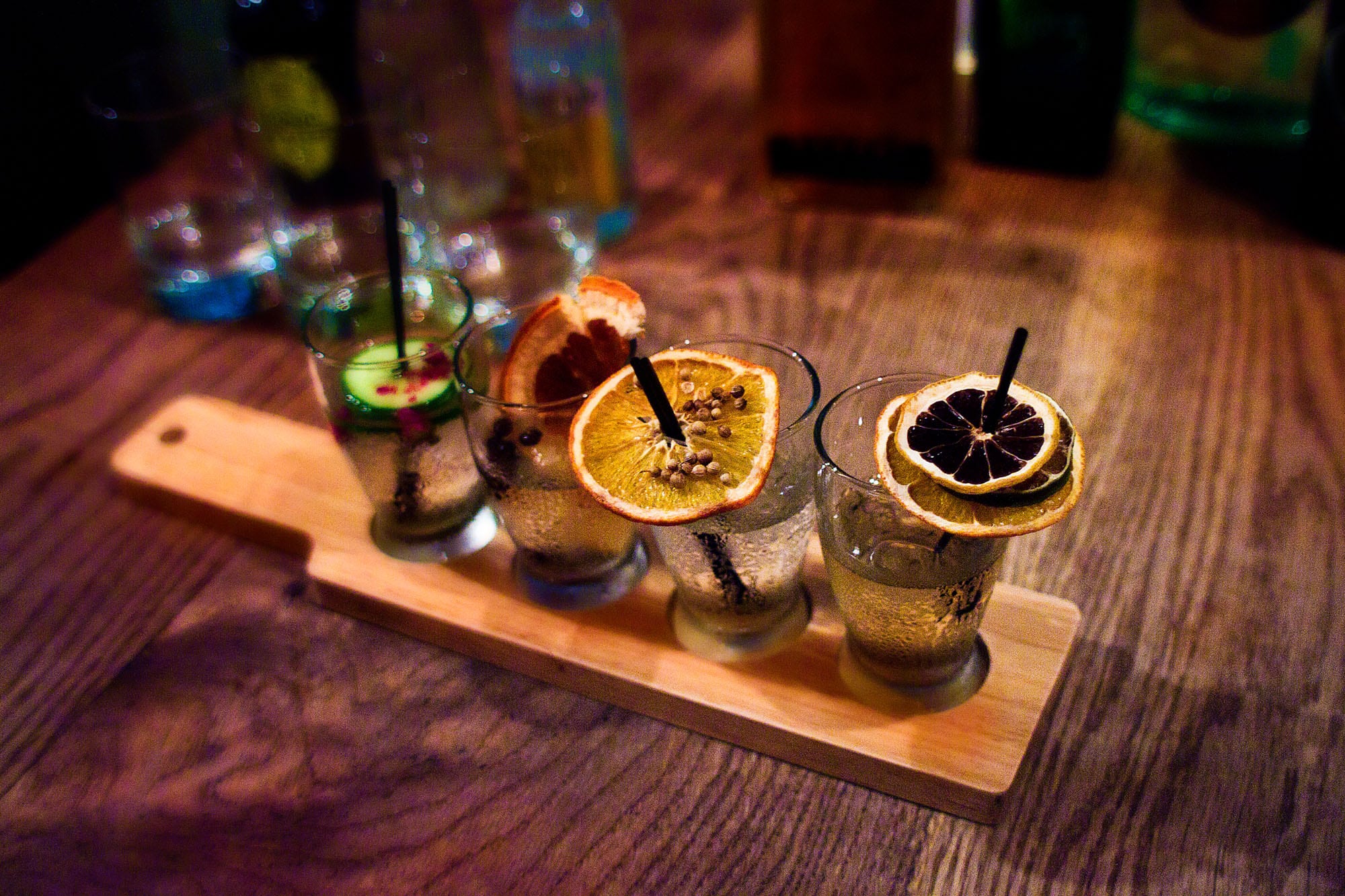
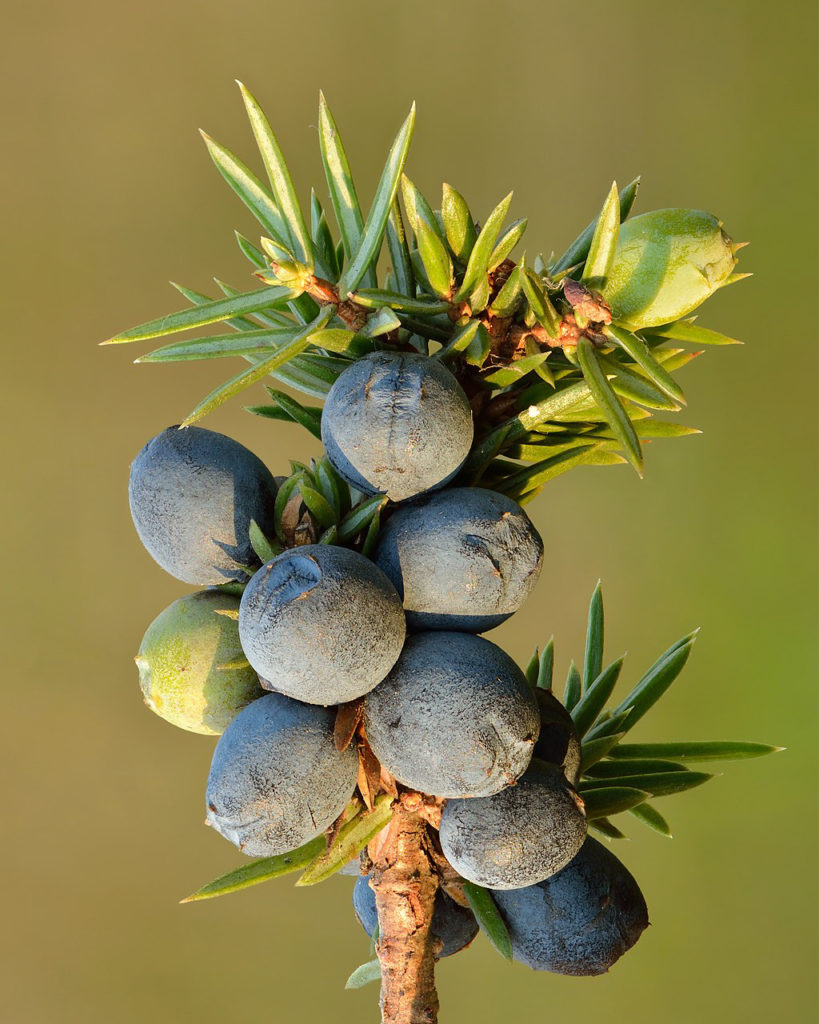
New York has always been a city that reinvents how people go out. Every decade leaves behind a different nightlife signature, from jazz clubs and hotel lounges to bottle-service mega venues and low-lit cocktail dens. Over the last several years, one format has gained unusual staying power: the gin-focused bar. Not a novelty concept, not a short-lived branding trick, but a serious category within the city’s drinking culture. The rise of the Gin Bar NYC scene says a great deal about where urban nightlife is heading, and why certain kinds of venues feel more relevant now than they did fifteen years ago.
What makes this shift interesting is not simply that more people are ordering martinis, gimlets, or a Spanish-style gin and tonic. It is that gin bars sit at the intersection of several larger urban trends at once. They reward curiosity without becoming inaccessible. They support a slower, more conversational kind of socializing. They attract guests who care about flavor, atmosphere, and service rather than pure excess. In a city where attention is scarce and rent is brutal, that combination matters.
Anyone who has spent time in New York hospitality can recognize the pattern. A format starts as niche, draws a loyal crowd, then gradually reshapes expectations across the market. That is what gin bars have done. Their influence now extends beyond the spirit itself, affecting design choices, menu structure, staffing, neighborhood traffic, and the broader meaning of a night out in the city.
Why gin fits the city so well
Gin has an advantage in a place like New York because it is both traditional and flexible. Whiskey bars often lean heavily on heritage. Tequila and mezcal venues can carry a strong cultural identity and a specific energy. Vodka, while widely consumed, rarely inspires venue loyalty on its own. Gin occupies a more adaptive space. It can feel classic in a Midtown hotel lounge, playful in a Lower East Side cocktail bar, elegant in the West Village, or bright and seasonal in Brooklyn.
That versatility gives operators room to build an experience rather than merely stock a category. A strong gin program can emphasize London dry structure, citrus-forward modern styles, botanical complexity, local distilling, or food pairing. It can be serious without seeming stiff. For guests, that means lower barriers to entry. A customer may not know the difference between juniper-heavy and floral expressions, but they can still enjoy the arc of discovery.
There is also a practical reason gin works in dense urban nightlife environments. It performs across a wide range of drink formats. A bartender can turn out crisp highballs for a standing crowd, stirred classics for a quieter corner table, and low-ABV spritz variations for guests who intend to stay out for hours. That operational flexibility helps bars manage rush periods while preserving quality. In a market where every seat and every minute count, gin is not just fashionable. It is efficient.
The move away from spectacle drinking
For a long stretch, New York nightlife leaned hard into spectacle. Oversized cocktails, high-volume music, velvet rope signaling, expensive bottle rituals, and social status cues often mattered as much as what was in the glass. That world still exists, and it will never disappear entirely. But many city drinkers now want something different, especially after years in which people reevaluated what they value in public spaces.
Gin bars have benefited from this correction. They offer a form of nightlife that feels cultivated rather than performative. Guests can dress well, spend money, and enjoy a polished room without participating in a theatrical hierarchy. The best gin-focused venues are aspirational in a quieter way. They rely on lighting, glassware, ice quality, music volume, and bartending precision. Those details create atmosphere without demanding attention.
That distinction matters in urban settings where many guests are no longer chasing maximum intensity every time they go out. People still want stimulation, but they also want comfort, good conversation, and a sense that the evening has shape. A well-run Gin Bar NYC venue can provide exactly that. It gives the city a middle ground between a casual neighborhood pub and a high-friction nightclub.
Cocktail literacy has changed the customer
A major reason gin bars now resonate is that the public has become more informed about drinks. Not expert-level informed in most cases, but far more literate than the average nightlife crowd of the early 2000s. Many customers know basic cocktail families. They understand what vermouth does in a martini. They notice when tonic is flat, ice is poor, or garnish is lazy. They have opinions about balance, proof, and texture, even if they do not use technical language.
That change has reshaped what bars can offer. A venue no longer needs to flatten its menu for fear of confusing guests. It can trust that enough people will engage with distinctions in style and production. Gin, with its wide botanical range, rewards that engagement. A guest who might once have said, “I don’t like gin,” can now be steered toward a softer, citrus-led expression and change their mind in a single round.
From a service perspective, this is where the category becomes powerful. Bartenders can do real hospitality work through guided recommendation. Instead of simply pouring familiar brands, they can ask a few questions and tailor a drink. Do you want something bright, dry, savory, floral, bracing, or easygoing? That conversation builds loyalty. People remember the bar where someone actually understood what they were after, even if they could not articulate it perfectly themselves.
Design, pacing, and the new social room
Nightlife is never just about drinks. It is about how a room handles people. Gin bars tend to influence the city because they are often designed around comfort and pacing rather than throughput alone. That may sound obvious, but it is not. A great many bars in New York are built to move bodies fast, keep sound high, and maximize standing density. Gin-forward venues often choose a different rhythm.
The physical signals are subtle. Better spacing between stools. Banquettes that support conversation. Tables large enough for glassware and shared plates. Softer lighting that still lets guests see one another. Music with energy but not aggression. The room says stay awhile. That is a valuable proposition in a city where many people feel overprocessed all day, whether by transit, office life, screens, or crowd pressure.
This design logic has spread well beyond explicitly gin-branded venues. Operators have noticed that a room can feel lively without becoming exhausting. They have seen that guests will often spend more over two and a half hours in a space where they feel relaxed than they will Gin Bar NYC in ninety minutes of sensory overload. Gin bars did not invent that truth, but they have helped reestablish it in a market that had drifted too far toward friction-based glamour.
The martini effect and the revival of ritual
It is impossible to discuss gin’s influence without acknowledging the martini. The drink has returned as a symbol of urban sophistication, but its popularity is not just a trend cycle. It reflects renewed appreciation for ritual. A cold stemmed glass, a deliberate pour, a choice between twist and olive, a short exchange with the bartender about ratio and style, these moments create emotional value disproportionate to their size.
Urban nightlife thrives on ritual because cities can otherwise feel anonymous. The regular who always starts with a fifty-fifty martini. The couple that orders one dirty, one Gibson. The solo guest who sits at the same end of the bar after work and asks what new bottle came in. These patterns turn commercial spaces into social anchors. Gin bars are particularly good at supporting them because the spirit is tied to so many established classics yet leaves room for personal variation.
There is also an aesthetic dimension. Clear drinks in good glassware, expressed citrus oils, chilled coupes, carefully selected garnishes, these visual details play well in a city shaped by image. Yet unlike many photogenic trends, the martini and its gin-based relatives do not collapse under their own styling. They hold up in the glass. People return because the experience is genuinely satisfying, not only because it looks good online.
Neighborhood impact is more significant than it appears
When a serious gin bar opens in the right location, the effect often spreads beyond its own four walls. It can pull a slightly older, slightly more intentional clientele into a block that may previously have been driven by fast casual traffic or destination dining. That shift changes how nearby businesses think about their hours, menus, and staffing. A wine bar may extend service later. A restaurant may sharpen its after-dinner drinks program. A dessert concept may suddenly find a second life after 10 p.m.
This is especially true in mixed-use neighborhoods where nightlife has to coexist with residents. Gin bars, compared with louder formats, tend to generate less street spill and fewer high-conflict moments at the door. They still create energy, but of a more manageable kind. For landlords and community boards, that matters. For operators, it can mean an easier path to becoming part of the local fabric rather than an ongoing point of tension.
I have seen blocks in New York where one well-executed cocktail venue changed the entire evening cadence of the area within a year or two. Not by attracting huge crowds all at once, but by giving people a reason to linger after dinner or make the neighborhood their first stop rather than a pass-through. A strong Gin Bar NYC address can function that way. It can become a quiet engine of nighttime foot traffic, especially in zones where luxury and neighborhood identity overlap.
The economics behind the romance
The polished image of the gin bar can obscure the hard math underneath it. Rent, labor, insurance, licensing, and ingredient costs in New York are punishing. No spirit category, however fashionable, can outrun a weak business model. Yet gin bars do have some structural advantages when run intelligently.
First, the category supports both premium pours and relatively approachable cocktails. A venue can serve a top-shelf martini at one price point and a high-quality gin and tonic at another, bringing in different types of guests without confusing the brand. Second, many gin drinks can be executed with strong consistency once systems are in place. Third, the category pairs well with small plates, tinned seafood, raw bar offerings, or light savory snacks, which can raise check averages without requiring a full kitchen buildout.
The challenge is that guests who choose these spaces often have high expectations. They notice glass temperature, dilution, garnish freshness, spirit selection, and staff fluency. If a bar wants the margins that come with a premium identity, it must invest in training and discipline. Shortcuts show immediately. That is one reason the best gin bars feel polished in a way that is hard to fake. You are seeing standards, not just branding.
Staff knowledge has become part of the product
A gin list alone does not create influence. Service does. In many successful venues, the staff’s ability to translate the category for different guests is as important as the bottles behind the bar. This takes real work. Bartenders need to know how to read guests quickly, avoid lecturing, and guide choices without making anyone feel behind.
A good gin bar team can usually do four things at once: welcome the novice, satisfy the enthusiast, maintain speed during volume, and preserve the bar’s tone. That balancing act is harder than it looks. A room full of highly specific drink orders can bog down fast if the team does not communicate well. On the other hand, if the staff treats every guest with identical shorthand, the venue loses the very sense of expertise that makes it special.
Training in this environment extends beyond recipes. Staff need familiarity with distillation styles, garnish logic, tonic options, vermouth handling, and guest psychology. They also need to know when not to overcomplicate matters. Sometimes a guest asking for “something gin but not too piney” wants a nuanced recommendation. Sometimes they just want a clean, cold drink after a rough day. Professionals know the difference.
Gin Bar NYC thewinslownyc.comSocial media helped, but it is not the whole story
Any discussion of modern nightlife has to account for social media, though its role is often overstated. Yes, a visually striking martini service or a shelf of uncommon gin labels can travel online. Yes, city drinkers discover new places through tagged photos and short-form video. But the venues with staying power tend to win offline first.
Social media is useful for signaling mood and identity. It tells potential guests whether a bar feels romantic, lively, restrained, clubby, classic, or experimental. For gin bars, that visual shorthand matters because the category can otherwise seem abstract to someone scrolling quickly. A photo of a cobalt bottle does less than a photo of a candlelit banquette, a polished tray of drinks, and a room full of people who look engaged rather than posed.
Still, operators who mistake digital attention for market strength usually learn fast. A place can be packed for three weekends because it is newly fashionable. That does not mean it has become part of the city’s nightlife ecosystem. Real influence shows up in repeat traffic, neighborhood recognition, and the subtle compliment every owner wants: guests who bring other guests because they trust the experience.
The gender dynamic is worth noting
Nightlife categories often carry coded expectations. Some are marketed too heavily toward masculine connoisseurship, others toward trend-driven consumption. Gin bars have, at their best, disrupted some of those old patterns. The category tends to attract a more mixed audience, and the drinks themselves do not force guests into narrow identity performance.
That may sound like a soft cultural point, but it affects business in a concrete way. Spaces that feel broadly welcoming often produce better date-night traffic, stronger group dynamics, and fewer energy swings across the evening. They can host after-work meetings at six, intimate dinners at eight, and celebratory rounds at eleven without needing to change personality. Urban nightlife works best when a venue can absorb different social purposes while staying coherent.
Of course, this does not happen automatically. Some bars still lean too hard on preciousness, making the room feel exclusive in the wrong way. Others overcorrect into generic friendliness and lose distinctiveness. The strongest operators strike a balance. They create a room where expertise is visible, but not weaponized.
Where the trend may go next
The next phase of the Gin Bar NYC movement is unlikely to be about sheer expansion. New York does not need dozens of interchangeable gin temples. What it needs, and what the market seems to reward, are venues with a clear point of view. That could mean a stronger focus on regional tonic programs, better integration with food, a seasonal martini menu that actually makes sense, or deeper collaboration with local distillers.
Several developments seem plausible. One is a continued rise in lower-alcohol formats that preserve gin’s aromatics while matching current wellness-minded habits. Another is more serious attention to hospitality sequencing, where guests move from aperitif to martini to nightcap without ever feeling pushed. A third is design evolution, with bars borrowing some of the intimacy and acoustic restraint that have made the best gin-focused spaces so appealing.
There is also room for more neighborhood-specific adaptation. A Downtown room can lean sharper, later, and more fashion aware. An Uptown space may emphasize polish and continuity. In Brooklyn, a gin bar may tie its identity more closely to local ingredients, design craft, or a hybrid café-to-cocktail format. The spirit travels well, but the best venues never feel generic.
What gin bars reveal about urban nightlife itself
Seen clearly, the rise of the gin bar is not only a story about a spirit. It is a story about maturing taste in cities under pressure. New Yorkers still want to go out, still want glamour, still want surprise. But many no longer confuse excess with quality. They are looking for places that respect their time, sharpen their evening, and offer a little ceremony without demanding submission to a scene.
That is why the influence of the Gin Bar NYC category has been so durable. It aligns with how urban professionals, creatives, neighborhood regulars, and visitors increasingly want to spend a night. They want rooms that feel alive but not chaotic. They want drinks with personality but not gimmicks. They want service that recognizes them as individuals, not units of spend. Above all, they want nightlife that adds texture to city life rather than draining it.
The bars that understand this are not merely serving gin. They are redefining what modern metropolitan hospitality can look like: precise, warm, stylish, and deeply aware of pace. In a city famous for movement, that may be the most powerful offer of all.
The Winslow
243 E 14th St
New York, NY 10003, United States
Phone: +1 212-777-7717
FAQ About Gin Bar NYC
How to do a gin tasting?
Start with a small pour and gently smell the gin before taking a small sip. Notice its juniper, citrus, floral or spice notes, then compare how the flavor changes with a little water or tonic. At a gin bar, ask the bartender to explain the selection and botanical pairings.
How to make the best tasting gin and tonic?
Use chilled gin, fresh tonic and plenty of ice. A common starting ratio is one part gin to two parts tonic, adjusted to taste. Choose a garnish that complements the gin's botanicals and stir gently to preserve the bubbles.
What is the smoothest tasting gin?
There is no single smoothest gin for everyone. Perceived smoothness depends on the botanical recipe, alcohol strength, serving temperature and mixer. Describe whether you prefer citrus, floral, herbal or juniper-forward flavors so a bartender can suggest a suitable style.