Why Gin Bar NYC Is More Than Just a Trend
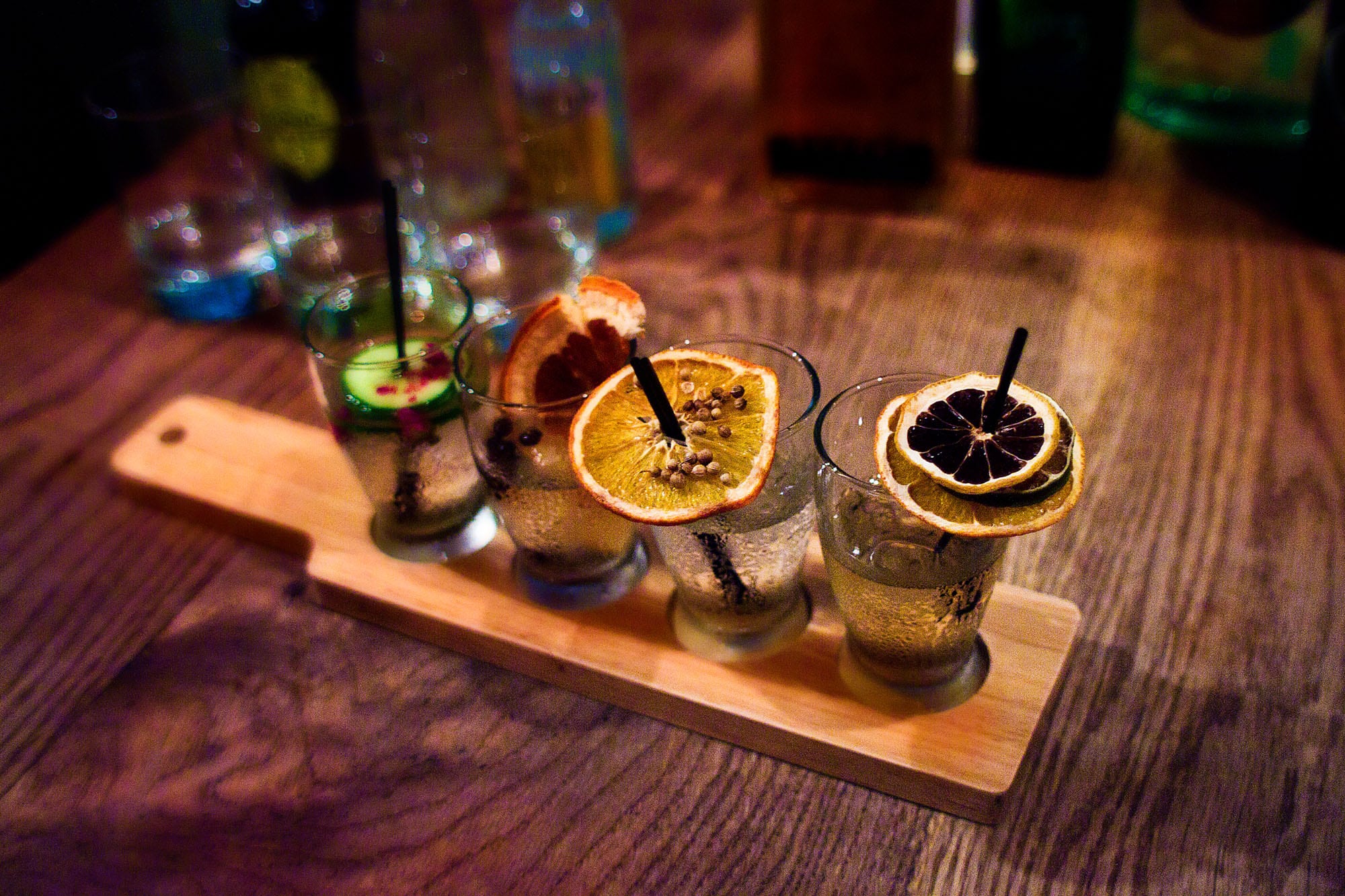
Walk into a strong gin bar in New York on a Thursday night and the room tells you almost everything before you even open the menu. You notice the sound first. Not loud, not hushed, just busy in a practiced way. Glassware lands with intention. Ice cracks. Someone at the end of the bar is asking whether the drink on the menu uses navy strength or London dry, and the bartender answers without performing expertise for the room. That atmosphere matters. It signals that gin, at least in this city, is no longer a novelty or a short-lived fascination. It has become part of a deeper drinking culture built on precision, curiosity, and a surprisingly wide range of tastes.
The phrase “Gin Bar NYC” gets thrown around online as if it names a category designed mostly for social media, another stop in the city’s rotating cycle of obsessions. For a while, that was easy to believe. The rise of botanical language on cocktail menus, the return of martini culture, the fashionable glow of Art Deco interiors, all of it looked suspiciously trend-friendly. Yet anyone who has spent real time in New York bars over the past decade can see something more durable at work. Gin bars have held their place because they answer several New York needs at once. They reward knowledge, they suit both quick drinking and slow drinking, they offer range without requiring excess, and they give bartenders real creative room.
That staying power did not happen by accident.
New York was always built for spirits with personality
A city like New York rarely keeps anything alive just because it photographs well. Rent is too high, competition is too brutal, and customers are too experienced for that. If a concept survives here, especially in hospitality, it usually survives because it works from multiple angles.
Gin works in New York because it has structure. Vodka can disappear into a drink. Whiskey often dominates one. Tequila carries an identity so forceful that it can define the entire menu. Gin does something subtler. It brings a backbone of juniper and then opens out into citrus, spice, floral notes, roots, herbs, even salinity depending on the bottle. That gives bartenders a serious toolkit. It also gives guests options that feel distinct rather than cosmetic.
This matters in a city where people go out for different reasons on the same block. One person wants a very cold martini and a dozen oysters. Another wants a lower-proof spritz before a late dinner. Someone else wants a bracing, aromatic drink after work that does not land as sweet or heavy. A good gin program can cover all three.
There is also history on its side. New York has long embraced drinks that reward ritual. The martini is the obvious example, but the city’s affection for classics runs far beyond that. The gin and tonic, the Negroni, the Tom Collins, the Gimlet, the Last Word, the French 75, each one offers familiar architecture with room for interpretation. A serious gin bar can serve those drinks faithfully while still shaping its own voice. That balance between tradition and reinvention is one of New York’s favorite games.
Gin stopped being “piney” and started becoming specific
For years, gin suffered from a lazy reputation. People either loved it or dismissed it with one broad complaint: too much juniper, too much pine, too much perfume. That reaction usually came from limited exposure. In reality, gin is one of the most varied spirit categories behind the bar.
The maturation of gin culture in New York happened when bars stopped selling “gin” as a single taste and started talking about style, origin, and structure. Once guests could compare a crisp London dry to a softer contemporary gin, or a citrus-led bottle to one built around savory herbs, the category opened up. That shift may sound small, but it changed ordering behavior in a big way. Instead of asking whether they liked gin, people started asking which gin they liked.
That is an important sign that a trend has become a category. Trends flatten differences. Mature categories sharpen them.
I have watched this play out at bars where guests arrive convinced they are “not gin people” and leave after one cocktail asking what bottle was used. Often the breakthrough is not dramatic. It might be a martini with better dilution, a gin highball built with unusual restraint, or a G and T paired with tonic chosen for bitterness rather than sugar. Good bars know that conversion rarely comes from theatrical mixology. It usually comes from calibration.
The best gin bars are really about hospitality discipline
People sometimes talk about gin bars as if the spirit itself does all the work. It does not. Gin exposes weak bartending faster than many other base spirits because its aromatics are so expressive. If the citrus is tired, you taste it. If the vermouth has oxidized, you smell it. If the tonic is flat, the whole drink collapses. If the glass is warm, the edges blur immediately.
That is one reason a strong Gin Bar NYC scene says something useful about the city’s broader standards. To run an excellent gin program, a bar needs consistency in the less glamorous details. Glassware has to be properly chilled. Citrus has to be handled with care and replaced aggressively. Ice matters, and not in a flashy way, but in the practical sense of shape, density, and melt rate. Staff training matters even more. Bartenders need to know how to guide people without lecturing them, and servers need enough confidence to explain differences between drinks in plain language.
When all of that comes together, gin becomes a vehicle for hospitality rather than just another shelf category. Guests feel looked after because the bar can tailor the experience with unusual precision. Someone who wants something dry and sharp can be steered toward a 50-50 martini or a bright Gibson. Someone who wants freshness without obvious sweetness might get a gin Rickey variation. Someone easing into stronger flavors can start with a spritz-style serve and work from there.
That sort of service is not trendy. It is durable.
Why the martini revival helped, but did not tell the whole story
It would be impossible to discuss gin’s staying power in New York without acknowledging the martini revival. Over the past several years, the city has leaned hard into cold, spare, spirit-forward drinks. Martini carts, freezer-door pours, tiny sidecars of extra chilled service, all of that has shaped the public imagination. Gin benefited, naturally, because the classic gin martini remains one of the clearest expressions of both the spirit and the bar serving it.
But the survival of the gin bar cannot be credited to the martini alone. If anything, the bars with lasting appeal are the ones that understand martinis as an anchor rather than a total identity. A room built entirely around one drink risks becoming stiff or repetitive. A room built around the culture of gin can flex. It can offer martinis, yes, but also bright long drinks in summer, savory seasonal cocktails in colder months, and house signatures that showcase less familiar bottles without making guests feel like they are in a seminar.
The smartest operators know this. They use the martini to establish trust, then let the rest of the menu prove range. That is how a bar turns first-time visitors into regulars.
Gin matches the way New Yorkers actually drink
New York dining and drinking culture rarely sits still for long. People stack plans. They move from one neighborhood to another. They meet for one drink that becomes three, or promise themselves dinner before theater and end up lingering at the bar because the second round is better than expected. Spirits that thrive here tend to be flexible enough to work across those shifts.
Gin is unusually adaptable in this respect. It can be lean and aperitif-like, robust and contemplative, celebratory, bitter, savory, citrus-forward, or floral depending on how it is used. That adaptability allows gin bars to serve more than one kind of night.
On a practical level, this gives them an edge. A couple coming in at 5:30 can have something bright and appetite-opening. A solo guest at 8:45 can order a perfect martini and a plate of olives without feeling stranded between dinner crowds. A group that wants variety without dropping into a menu of sugar bombs can find it. Few categories perform across those occasions as gracefully.
There is also the issue of seasonality. Many people still associate gin mainly with warm weather, a holdover from tonic-and-lime thinking. Good New York bars have quietly overturned that assumption. In winter, gin can pair beautifully with rosemary, citrus oils, peppercorn, gentian, tea, or saline notes. In fall, it can support orchard fruit and dry spice without becoming cloying. In spring, it becomes almost unfairly easy to love. The point is not that gin works all year. The point is that bars have learned how to make it work all year, and customers have followed.
The city’s food culture gave gin bars a real advantage
One of the less discussed reasons gin bars have lasted in New York is food. Not every excellent gin bar has a deep kitchen program, but the ones that do often feel especially complete. Gin plays well with food in ways that are both obvious and underappreciated. Its herbal backbone can cut through richness, echo brininess, or brighten delicate flavors without fighting for attention.
Think about what New Yorkers actually eat while drinking. Seafood towers. Crudo. Fried snacks with aioli. Anchovy toast. Roast chicken. Sharp cheeses. Salty nuts. Potato chips with caviar if the room is aiming high, or a very good burger if it is not pretending otherwise. Gin can hold its own with all of these. It does not flatten the palate the way sweeter cocktails sometimes do, and it often keeps the appetite alive rather than shutting it down.
This pairing strength has helped gin bars broaden beyond “cocktail destination” status. They become places where people can actually spend an evening, not just stop for a round. That distinction matters in New York, where bars that support multiple use cases tend to survive longer than bars built around novelty alone.
Seriousness without snobbery is the sweet spot
The fastest way for any specialized bar concept to become a fad is to make guests feel tested. New York has no shortage of rooms where expertise slides into performance. The best gin bars avoid that trap. They take the spirit seriously without turning the experience into a loyalty exam.
That balance is harder than it sounds. Gin attracts a certain kind of enthusiast, the person who wants to discuss botanicals, production methods, proof, regional styles, and martini ratios with high precision. There is nothing wrong with that. In fact, those guests can help sustain a program. But a bar cannot survive on specialists alone. It needs people who simply want a good drink and a comfortable room.
The strongest bars bridge that divide through language and menu design. They describe cocktails clearly. They make recommendations based on taste, not on status. They allow guests to stay at the level they want. If you want to talk about the difference between a juniper-led gin and one driven by Mediterranean herbs, someone behind the stick can do that. If you just want “something crisp, not sweet,” that works too.
That restraint is part of why gin bars have outlasted trend accusations. Fashion often depends on exclusion. Longevity depends on welcome.
There are trade-offs, and they matter
None of this means every gin bar works, or that gin is automatically a wise business angle. The category brings challenges.
First, gin still has a perception hurdle with some guests. Bourbon and tequila have clearer mainstream identities in the United States right now, and those identities often sell themselves. Gin sometimes needs explanation, especially outside a cocktail-literate crowd.
Second, the margins on quality execution can tighten quickly. Premium gin selections, fresh ingredients, proper glassware management, and trained staff all cost money. If a bar leans heavily into gin but skimps on the details, customers notice almost immediately.
Third, too much botanical complexity can muddy a menu. I have seen bars overbuild drinks with competing aromatics, multiple tinctures, unusual garnishes, and dense descriptions that leave the guest none the wiser. Gin rewards restraint. A thoughtful two-note drink often lands harder than a seven-ingredient composition trying to prove intelligence.
A strong gin-focused bar typically handles these trade-offs in a few practical ways:
- It builds a back bar with variety in style, not just quantity.
- It trains staff to describe flavor in ordinary language.
- It nails the classics before chasing signature drinks.
- It treats tonic, vermouth, citrus, and ice as core ingredients, not accessories.
- It designs a room where a guest can order one simple drink and still feel entirely at home.
Those points sound basic, but in hospitality, basics are where concepts either become institutions or disappear.
What separates a real gin destination from a themed bar
Themed bars can be fun. They can also burn out quickly. A real gin destination is different. It does not rely on décor cues or a vaguely vintage identity to carry weak fundamentals. Instead, it demonstrates point of view in choices that repeat every night.
You see it in the by-the-glass vermouth selection, if there is one. You see it in whether the bar offers different tonic pairings or simply defaults to a single sugary option. You see it in the garnish logic. A wedge of lime can be right for one serve and totally wrong for another. So can a grapefruit peel, a pickled onion, or no garnish at all. Attention here signals maturity.
You also see it in pacing. Bars that understand gin tend to understand when not to fuss. A martini should not arrive with a monologue. A well-built highball should not take twelve minutes. There is a calmness to bars that know their own standards. They do not need to advertise seriousness because the drinks already do it.
In New York, that calm confidence plays well. The city has patience for excellence, not for over-explanation.
The rise of no-and-low options actually strengthened gin culture
An interesting side effect of recent drinking habits is that moderation has made gin bars better, not weaker. As more guests look for lower-proof options or simply want to pace themselves over a longer evening, gin programs have adapted intelligently. Vermouth-forward serves, spritzes, bitters-led cocktails, and lengthened drinks all sit comfortably within a gin-focused menu.
That development matters because it broadens the category’s social usefulness. A gin bar no longer has to assume every guest wants a full-strength stirred drink or a sour built around sugar and citrus. It can offer a spectrum. For New York customers, many of whom are increasingly selective about how they drink rather than whether they drink, that flexibility is a major asset.
It also preserves flavor. One problem with some low-alcohol cocktail programs is that they can feel thin or dutiful. Gin’s aromatic profile helps avoid that. Even when a drink is lighter, it can still smell and taste complete.
Why this is likely to last
When people call something a trend, they usually mean one of two things. Either it arrived quickly and visibly, or it became culturally legible enough to attract imitation. Gin bars in New York certainly did both. Yet that is not the same as being temporary.
What keeps them alive is that they answer real preferences rather than manufactured ones. New Yorkers want bars with expertise, but not lectures. They want classic drinks done properly. They want enough variation to come back. They want food that works with what is in the glass. They want rooms that feel polished without becoming rigid. Gin, when handled by smart operators, supports all of those demands.
The phrase “Gin Bar NYC” may still sound fashionable, even search-friendly, but the better version of it is less a trend than a Gin Bar NYC thewinslownyc.com shorthand for a certain standard. It suggests a place where ingredients matter, where classic technique still carries weight, and where the drinks can be both cerebral and easy to enjoy. That combination is hard to fake and even harder to replace.
If anything, the future of the category looks steadier now than it did during its flashier moments. The novelty has worn off. What remains is infrastructure: trained bartenders, more educated guests, stronger spirit selections, and a city that has folded gin into its wider dining and drinking life. Once that happens, a concept stops chasing relevance. It becomes part of the landscape.
That is what has happened here. The best gin bars in New York are not surviving on momentum or aesthetics. They are surviving because they deliver, night after night, on the fundamentals that matter most. In this city, that is about as far from a trend as you can get.
The Winslow
243 E 14th St
New York, NY 10003, United States
Phone: +1 212-777-7717
FAQ About Gin Bar NYC
How to do a gin tasting?
Start with a small pour and gently smell the gin before taking a small sip. Notice its juniper, citrus, floral or spice notes, then compare how the flavor changes with a little water or tonic. At a gin bar, ask the bartender to explain the selection and botanical pairings.
How to make the best tasting gin and tonic?
Use chilled gin, fresh tonic and plenty of ice. A common starting ratio is one part gin to two parts tonic, adjusted to taste. Choose a garnish that complements the gin's botanicals and stir gently to preserve the bubbles.
What is the smoothest tasting gin?
There is no single smoothest gin for everyone. Perceived smoothness depends on the botanical recipe, alcohol strength, serving temperature and mixer. Describe whether you prefer citrus, floral, herbal or juniper-forward flavors so a bartender can suggest a suitable style.